Sustainable performance

Where precision meets responsibility

For any business wishing to create solutions and products with lasting value, it’s critical to follow a robust Environmental, Social and Governance (ESG) framework.

Actionable ESG limits the negative impacts corporations can have on the environment and the communities that share it.

It also helps clients deliver marketing programs that are more efficient, transparent and sustainable.

Our ESG approach focuses on these vital areas:

  • sustainable emissions
  • people and communities
  • responsible supply chains

Measuring our impact

Print, packaging, merchandise and logistics all have an environmental footprint. At Rothfield, we
focus on understanding that impact and finding practical ways to reduce it.

That means measuring our emissions, working with responsible suppliers, making smarter material and production choices, and reducing waste throughout the supply chain.

We work with Trace, a leading climate reporting platform to measure and manage our footprint
across three emissions categories:

  • Scope 1: Direct emissions from sources under our operational control
  • Scope 2: Indirect emissions from purchased energy, including electricity
  • Scope 3: Indirect emissions across our wider value chain, including suppliers,
manufacturing, freight and distribution

We’ve established a verified carbon baseline across all three scopes, giving us a clear benchmark from which to measure progress.

Our latest reporting snapshot:

    • 103 tCO₂ offset
    • 100% of Scope 2 emissions offset in 2025
    • More than 1,700 trees planted to support long-term carbon sequestration

Turning data into better decisions

Our reporting tools give clients greater visibility into the environmental impact of their marketing
activity — helping teams understand where impact occurs and where meaningful improvements
can be made.

By bringing sustainability data alongside procurement, production, inventory and supply chain
insights, we can help clients identify opportunities to reduce waste, improve sourcing and make
more informed decisions.

Depending on the program, reporting can include:

  • Carbon reporting – greater visibility of emissions associated with production, freight and supply chain activity
  • Product sustainability options – identifying alternative materials, products and
production methods with improved environmental credentials
  • Supply chain compliance insights – greater transparency across suppliers,
manufacturing standards and responsible sourcing
  • Environmental impact metrics – helping track relevant sustainability measures and
progress over time
  • Inventory and waste insights – identifying excess stock, obsolescence and
opportunities to reduce unnecessary production
  • Freight and logistics insights – highlighting opportunities to consolidate shipments and
improve distribution efficiency

The result is more than reporting. It gives marketing and procurement teams practical information they can use to balance cost, quality, speed and environmental impact — and make better decisions across the entire marketing supply chain.

People and communities

Inclusion and opportunity

Rothfield is built on the people who power our operations, the partners we work with and the communities we touch. In keeping with our core ESG beliefs, we believe that responsible businesses must check that future growth does not diminish social cohesion. This includes both the workplace and the wider community.

Diverse perspectives strengthen decision-making and generate a healthier, resilient business. At Rothfield, our people feel supported, respected and able to grow personally and professionally.

We achieve this by:

  • Actively promoting and supporting gender equity across the entire organisation, with strong representation of women in leadership roles
  • Enacting fair and transparent employment practices
  • Offering equal opportunity for career progression
  • Investing in professional development and leadership capability
  • Promoting collaboration and respect across all levels of business.

Community wellbeing

In keeping with our ethos, we’re proud to support organisations that actively improve community wellbeing and social impact.

Our support includes partnerships, financial contributions and awareness initiatives for organisations including:

  • Protection and therapeutic support for children experiencing trauma

  • Accessible mental health services for young Australians

  • First Nations leadership, community development and economic participation.

First Nation engagement

We’re developing a First Nations Action Plan to guide how we:

    • Build relationships with First Nations communities
    • Support Indigenous-owned suppliers and businesses
    • Promote cultural awareness across our organisation
    • Contribute to long-term economic participation.
responsible-supply-chain

Responsible partnerships

Our supplier network is built around long-term relationships with trusted manufacturing partners
who meet our expectations for quality, compliance, ethical business practices and environmental
responsibility.

We take a considered approach to supplier selection and ongoing management. Our partners are assessed against the requirements of each project, with appropriate due diligence across
manufacturing capability, product quality, workplace standards and responsible sourcing.

We also use responsible sourcing platforms including Sedex to strengthen visibility across our
supply chain and support recognised standards in areas including:

    • Labour practices and working conditions
    • Worker health, safety and welfare
    • Environmental management
    • Ethical business conduct
    • Supply chain transparency and compliance

For clients, this provides greater confidence in where products come from, how they are made and the standards applied throughout the supply chain.

Sustainable procurement

Sustainability starts well before production. The decisions made around materials, specifications,
quantities, suppliers, packaging and freight can all influence the environmental impact of a project.

Where appropriate, we provide sustainable alternatives as part of the procurement process —
giving clients the information and options they need to make more responsible choices while
balancing cost, quality and performance.

This can include:

    • Lower-impact, recycled and recyclable material alternatives
    • FSC-certified paper and board options
    • Reusable products designed for longer life
    • Reduced and optimised packaging
    • Smarter production quantities to minimise excess and obsolescence
    • Consolidated production and freight opportunities
    • Responsible supplier and manufacturing options

Our approach isn’t about recommending a sustainable option simply for the sake of it. It’s about
understanding the full lifecycle of a product and finding practical opportunities to reduce impact without compromising the outcome.

Designing impact into every detail

Real examples of how we embed ESG principles across every touchpoint

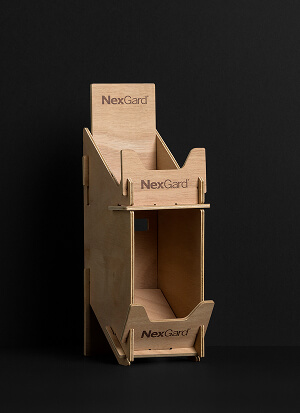
POS that earns its keep

Reusable timber stands, designed to come back

Uniforms with a lighter footprint

Corporate wear made from responsible fibres

Merch from ocean plastic

Branded products made with RPET

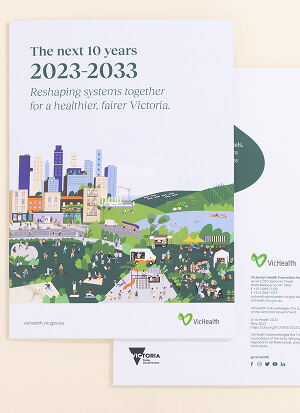
Print with a conscience

FSC-certified stock, planet-friendly laminate